


Be bold,
back the brave
We aim to build a €100M fund to secure access to news in every European country.
In September, a jury acquitted Yorgen Fenech, whom prosecutors accused of ordering Daphne Caruana Galizia’s murder. With that verdict now under appeal, we revisit her son Matthew’s February conversation with Mabel van Oranje about the harassment that outlived his mother, the fight for justice, and what it takes to protect journalists.
.png)
Matthew Caruana Galizia’s mother, Daphne Caruana Galizia, was sued dozens of times, threatened, isolated, and eventually murdered by a car bomb outside their family home. The lawsuits did not stop with her death, instead they became part of what her children inherited.
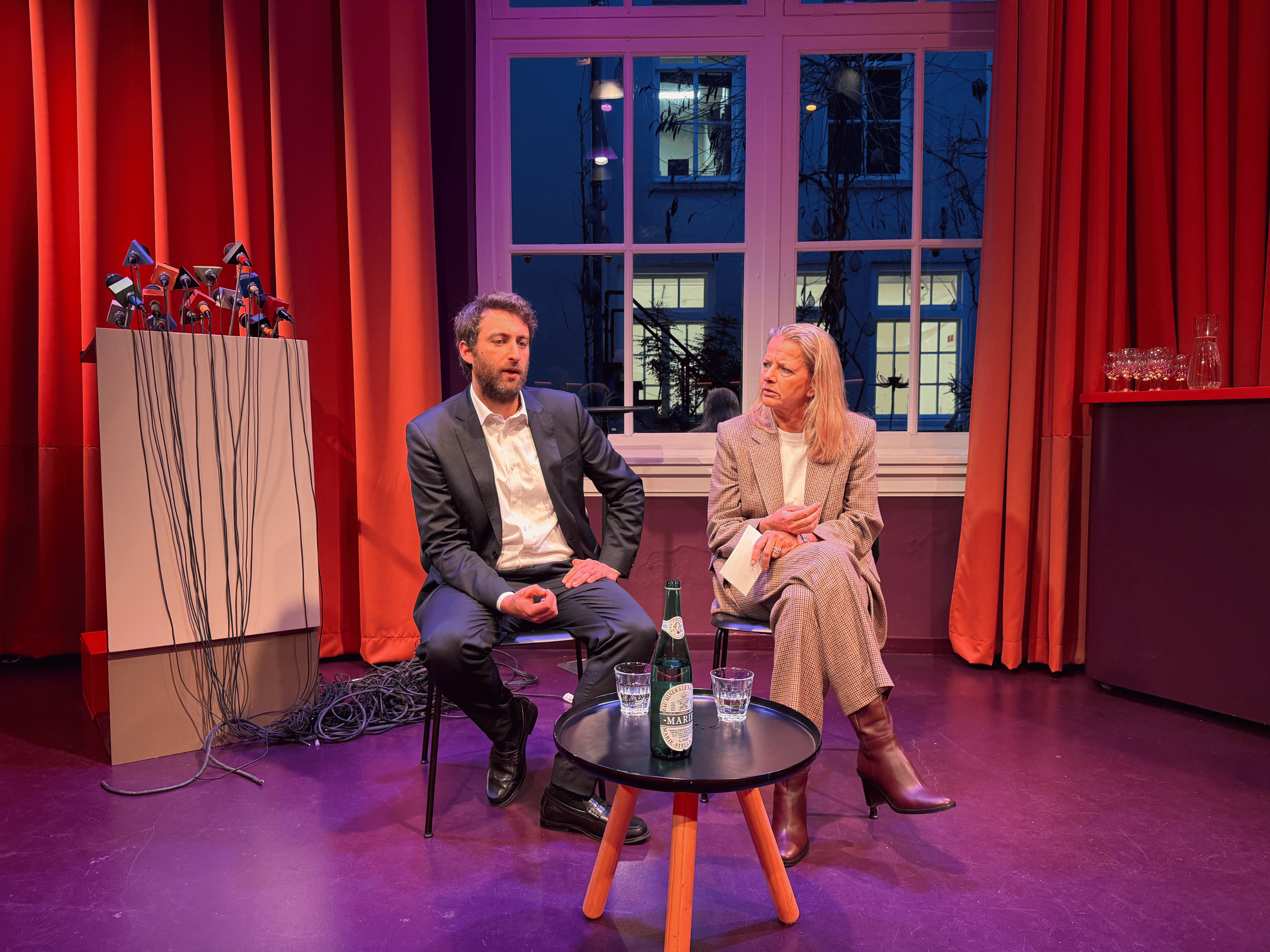
In conversation with Mabel van Oranje, Matthew Caruana Galizia, now director of the Daphne Caruana Galizia Foundation, reflects on what it takes to defend journalism once the damage is already done.
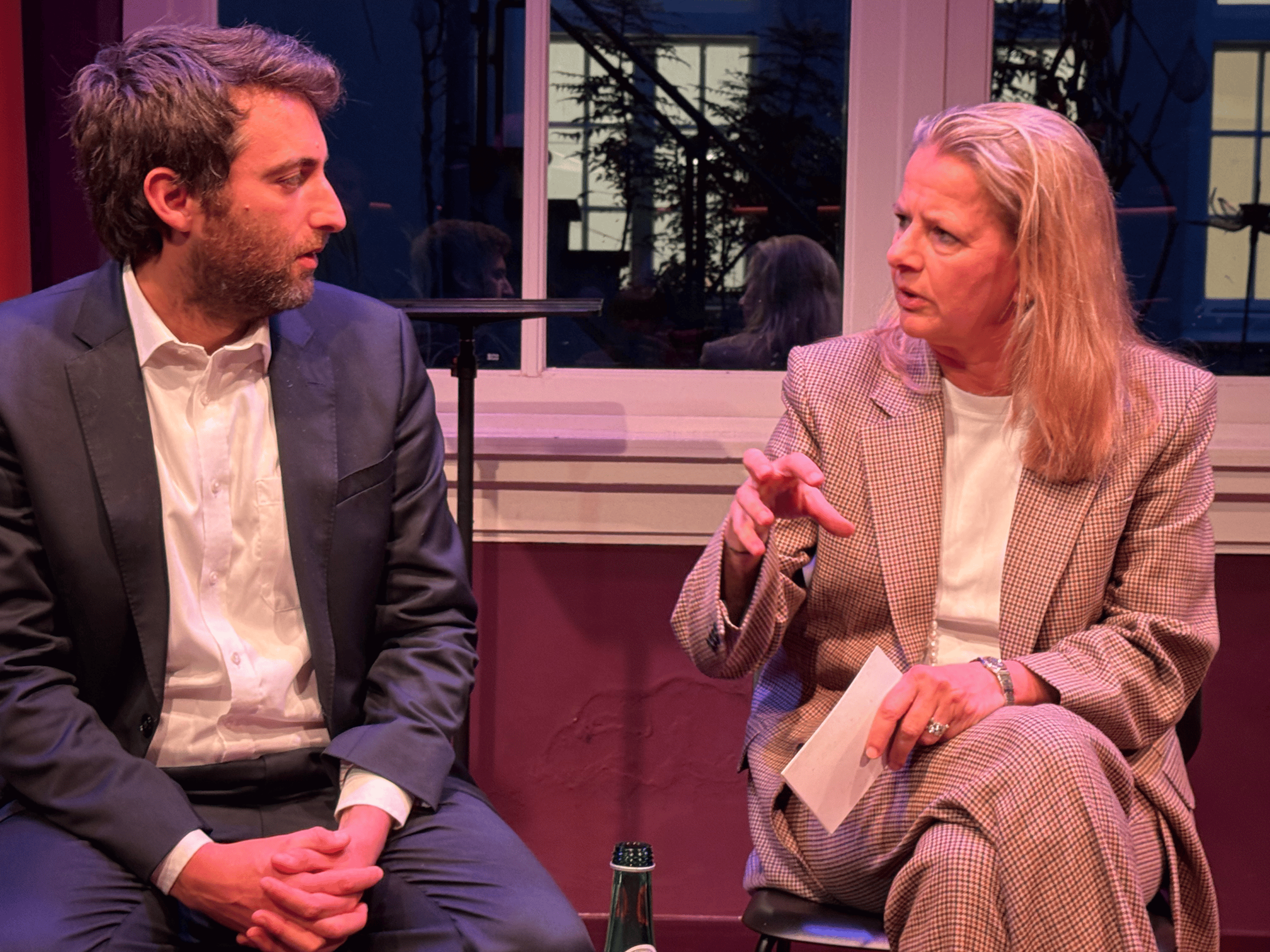
I grew up with a mother embodying what it means to be a journalist. She was the first woman in Malta to write articles under her own name. And I saw what kind of harassment she was subjected to. I saw her as someone who was strong and, obviously, very good at her job.
But I also lived the experience of not having the framework of support that we are trying to build over here, because my mother was alone. She was sued 46 times, subjected to physical attacks, our house was set on fire twice. The first time I contacted a press freedom organisation was just a few months before she was murdered. And of course, it was too late.
“If you lose those people, it's like an arm or a leg is being cut off from the body of the democratic societies that we want to live in”
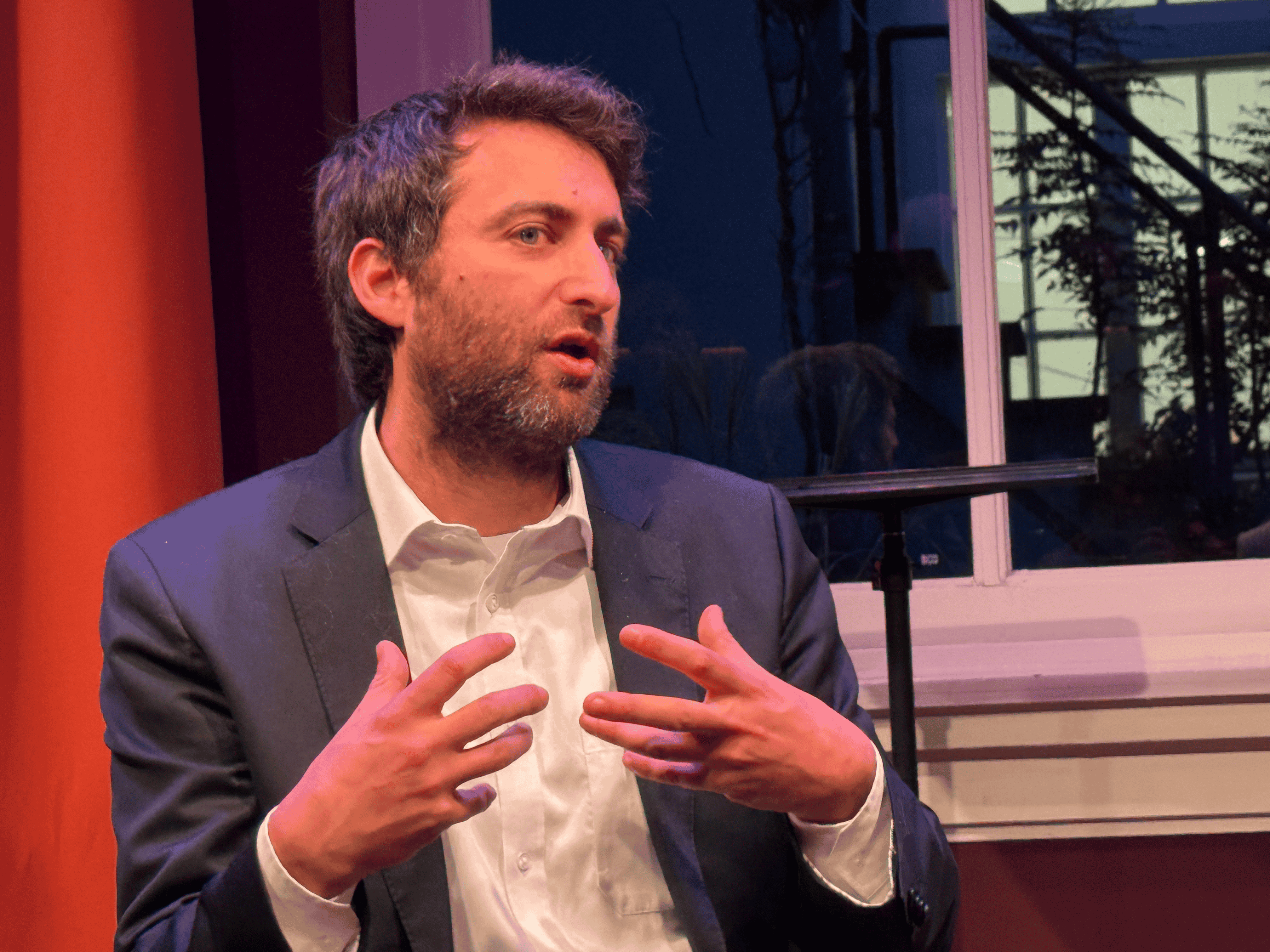
The work that people like my mother do is crucial. If you lose those people, it's like an arm or a leg is being cut off from the body of the democratic societies that we want to live in. You can't just grow it back. Once they're gone, they're gone.
My mother didn't need me to write about corruption; she was doing it anyway. But when I was working at ICIJ on the Panama Papers, building systems that let hundreds of journalists around the world collaborate on a single leak, I realised there were Maltese politicians in there.
I told my mum about it. She dove into it and eventually cracked the case. But she was murdered before she could publish what she had actually found: how Malta’s energy privatisation was bought. The person who was behind the bribery of these politicians is now awaiting trial for the murder of my mother.
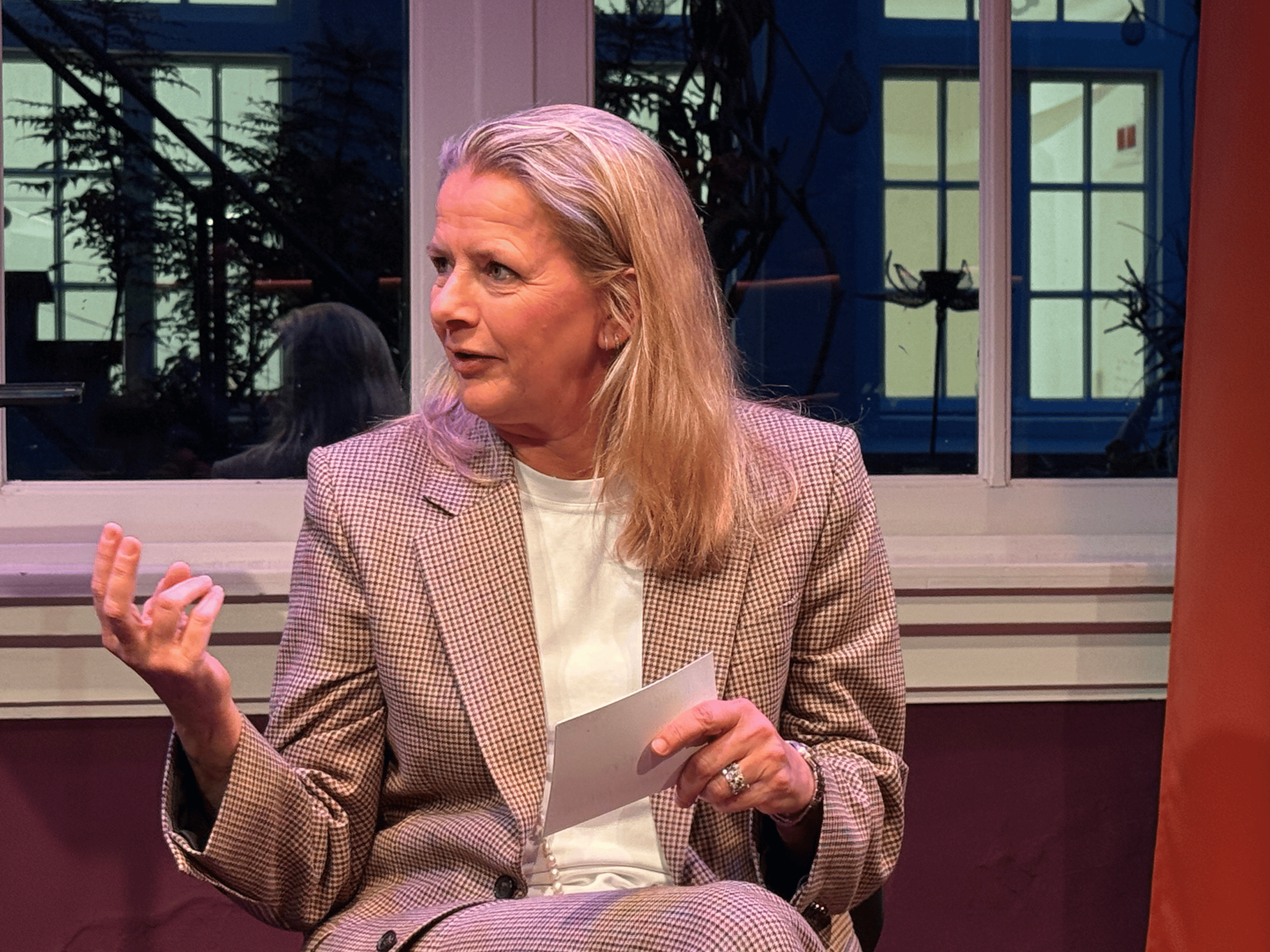
I had been at home when the car bomb that killed her went off. She had just walked out of the house into the car, and I heard the bomb go off. The day after the assassination, my father reminded us we had to appear in court for the defamation cases. I felt as though the earth had opened beneath my feet. I couldn’t believe that the people who had filed those defamation suits were determined to press on, even after she was gone.
The intention of the cases initially was to suck all my mum’s energy and resources, to make it harder for her to continue her reporting. After she was murdered, that pressure didn’t disappear. The cases were continued to sap the energy and resources of the remaining members of my family.
One hundred per cent. Every single tool available is used. The courts, loopholes in the law, even laws designed for one purpose that are then repurposed or abused, all of it can be deployed to suppress freedom of expression. And it’s not just journalists. It affects academics, scientists, politicians, business owners, basically anyone who challenges power.
We made fighting SLAPPs, strategic lawsuits against public participation, central to our work. With Limelight’s support, our advocacy was instrumental in securing the EU’s Anti-SLAPP Directive, Daphne’s Law, named after my mother.
The systems we are up against are massive and entrenched, as we're seeing with the Epstein files, for example. The only way they can be properly scrutinised is with large groups of journalists working on them together. Otherwise, what you end up with are memes and speculation. So, yes, we need more of this kind of collaboration. I am dying for the next group of journalists to come together and attack the Epstein files, just as we did with the Panama Papers.
“This work can't be done without sufficient money”
We live in a world where the threats to democracy are bigger than I've seen in my lifetime. I also believe the way that evil is organised is more coordinated and orchestrated than ever before. And yet, unfortunately, there seems to be a lack of appreciation of the importance of this work. Even if that appreciation remains, it doesn't translate into hard dollars. This work can't be done without sufficient money.
We, and many others, bring deep domain knowledge. We know how to investigate offshore companies and financial systems that sustain corruption. We know how to obtain and analyse major leaks that lift the veil on hidden structures. And we know how to communicate those findings in ways that create impact.
Limelight enabled us to channel our expertise into EU-level legislation. Similar organisations, working for years on corruption, have contributed to the European Union adopting six anti-money laundering directives. That is significant impact.
But we need to pass this knowledge on to the next generation. Without Limelight Foundation's support, that would be extremely difficult.

