





Be bold,
back the brave
We aim to build a €100M fund to secure access to news in every European country.

Every quarter, we pause to take in what our grantees’ investigations set off in the real world. This time, we consider how those effects unfold over time: sometimes quickly, sometimes slowly, sometimes only after sustained attention.
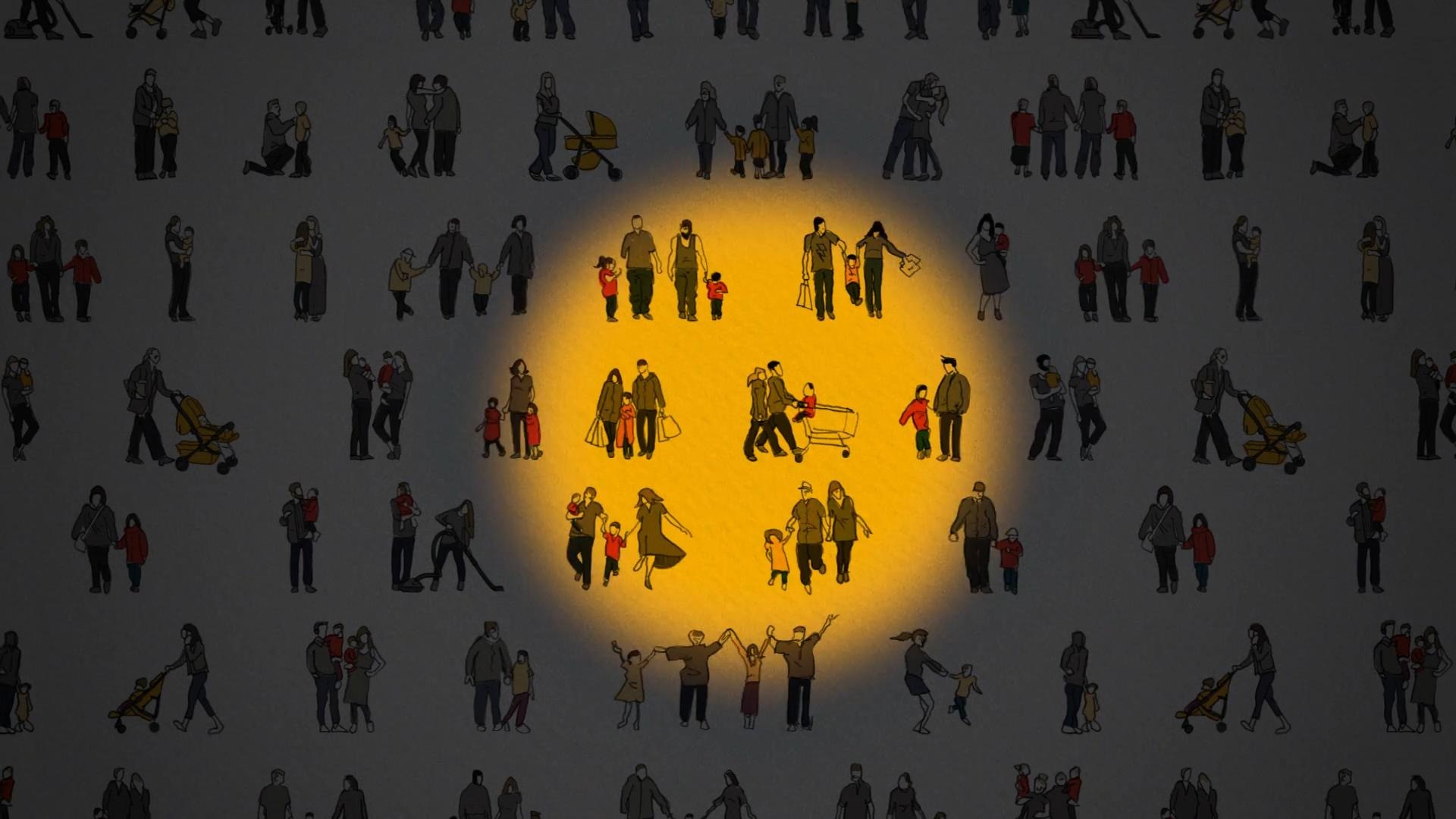
Last year, a group of reporters at Lighthouse Reports, our grantee, and Svenska Dagbladet, uncovered a little-known AI system inside Sweden’s social security agency. It was built to spot welfare fraud but instead, it singled out women, migrants and low-income parents applying for temporary child-care benefits. The team was stonewalled at almost every turn. At one point an official accidentally left a reporter copied into an email that read: “Now we must hope that we are done with him.”
But, they weren’t. The dataset they obtained showed thousands of people wrongly flagged. In December, Sweden’s Data Protection Authority ordered the system shut down, explicitly citing the investigation.
Some outcomes arrive this fast. Most don’t. In Cyprus, consequences took years. The Cyprus Confidential investigation, published in 2023, exposed how the country’s financial sector helped sanctioned figures move money. Debate simmered. Pressure mounted. And this summer—two years later—the government created a dedicated sanctions unit with new powers to investigate and penalise evasion.
Other impact builds slowly through repetition. Since 2020, the Belarusian Investigative Centre has documented sanctions-dodging networks across the region. Their reporting has contributed to roughly 90 sanction actions by the EU and US, targeting more than 40 individuals and entities. In 2025 alone, the schemes they uncovered were worth nearly $2 billion.
And some stories break open the moment they land. A cross-border investigation by Reporters United, NRC, Der Spiegel and Mediapart revealed how payment provider Worldline concealed fraud. Within a day, the company’s shares dropped more than 40%.
In North Macedonia, IRL’s investigation into corruption tied to a deadly nightclub fire triggered arrests within days. Prosecutors opened a pre-investigation almost immediately; inspectors implicated in the reporting are now under investigation for bribery and abuse of office.
Each case has its own timeline. But together they show why investigative work matters: it forces movement in systems that would otherwise stay still: sometimes overnight, sometimes after long resistance, and sometimes only when the same truth is uncovered again and again.

